
We’ve heard it our whole lives- “eat your veggies”. But let’s be honest, most of us struggle to get enough vegetables (and fruit). And breakfast is an often overlooked opportunity to get in some plants early and set the tone for the rest of the day.
If you’ve been wanting to get more vegetables into your breakfast routine, I’m sharing my go-to simple and do-able ideas to help you get started!
Jump to:

I'm not a nutrition professional and I want to be clear that this is based on my own in-depth research, personal experience and recommendations from my healthcare team. Should you have any concerns, please consult your own healthcare team.
Quick Summary
- Vegetables are often missing from a balanced breakfast but adding them is one of the easiest ways to boost your fiber, micronutrient and plant variety intake.
- Try simple additions like leftover or frozen veggies, raw sides (such as cherry tomatoes or carrot sticks) or tossing spinach into scrambled eggs.
- Fruit is a great start too- I like to keep frozen berries on hand for ease.
Why It Matters
Most of us don’t eat enough vegetables and breakfast is a missed opportunity to close that gap. The Dietary Guidelines for Americans recommend adults aim for 4.5 cups of vegetables and fruits per day. I know that might sound like a lot, but getting even one serving at breakfast gets you that much closer.
Vegetables are packed with fiber, antioxidants and essential micronutrients like potassium, magnesium, and vitamins A, C and K. They help support everything from digestion to heart health to blood sugar balance.
Eating a variety of plants is also key. A study by the American Gut Project found that people who consumed 30 or more different plant foods (which includes not just vegetable but also fruits, whole grains, nuts, seeds, legumes and herbs) per week had significantly more diverse gut microbiomes- a key marker of overall health.
So adding that handful of spinach or roasted pepper to your breakfast can help with your plant diversity count too.

Easy Ways to Add Vegetables to Breakfast
So now that we've established why it is important, let's get into my favorite ways to get some veggies in before noon!
- Repurpose leftovers. Do you have roasted veggies leftover from last night’s dinner? Heat them up and serve alongside eggs or toss them into a breakfast bowl.
- Keep chopped veggies in the fridge. Prep a few go-to options (like bell peppers, spinach, mushrooms or zucchini) ahead of time so you can quickly throw them into a pan for scrambled eggs or add them to a breakfast wrap.
- Use frozen vegetables. Frozen spinach, broccoli, cauliflower or stir-fry blends cook quickly and are just as nutritious as fresh but much more convenient.
- Add fermented vegetables. A spoonful of kimchi, sauerkraut or pickled onions adds both veggies and probiotics to eggs, toasts, or grain bowls.
- Make them a side. If your main breakfast doesn’t include veggies, pair it with a side like cucumber slices, cherry tomatoes or carrot sticks.
- Sneak them into scrambles and omelets. Eggs are a natural vehicle for veggies- add a handful or two of dark leafy greens, garlic and more while cooking your eggs. As a bonus, they add flavor too.
- Tuck them into breakfast sandwiches or wraps. Add things like spinach, arugula or leftover sautéed peppers to your sandwich or wrap.
- Blend into smoothies. Toss in mild vegetables like spinach, cauliflower or even zucchini- they blend well and are nearly undetectable.
- Top toast with veggies. Avocado, radishes, microgreens or tomatoes are all tasty.
- Make veggie-loaded muffins or oats. Go savory with these typically sweet breakfasts and fold in grated carrots, zucchini or spinach.
- Step outside of the breakfast "box". While we often think of breakfast as being eggs or oatmeal, breakfast can be anything and varies by culture. You can try eating foods that you would normally see as lunch or dinner foods for breakfast.
Simple Ways to Add Fruit to Breakfast
Fruit is usually easier to include at breakfast than vegetables- but it still helps to be intentional about including it (especially if you can't be convinced to eat vegetables that early in the day!).
Fruit adds fiber, antioxidants, natural sweetness and important nutrients. Here are a few easy ways to get more in:
- Top your yogurt, oatmeal or cottage cheese with frozen berries or sliced bananas.
- Blend some fruit into smoothies with other whole food ingredients like seeds, leafy greens, and a protein source.
- Serve some on the side of your breakfast with a small bowl of berries, sliced apple, kiwi or half a grapefruit.
- Mash fruit in place of jam or syrup- ripe berries, peaches or bananas work well as a naturally sweet spread.
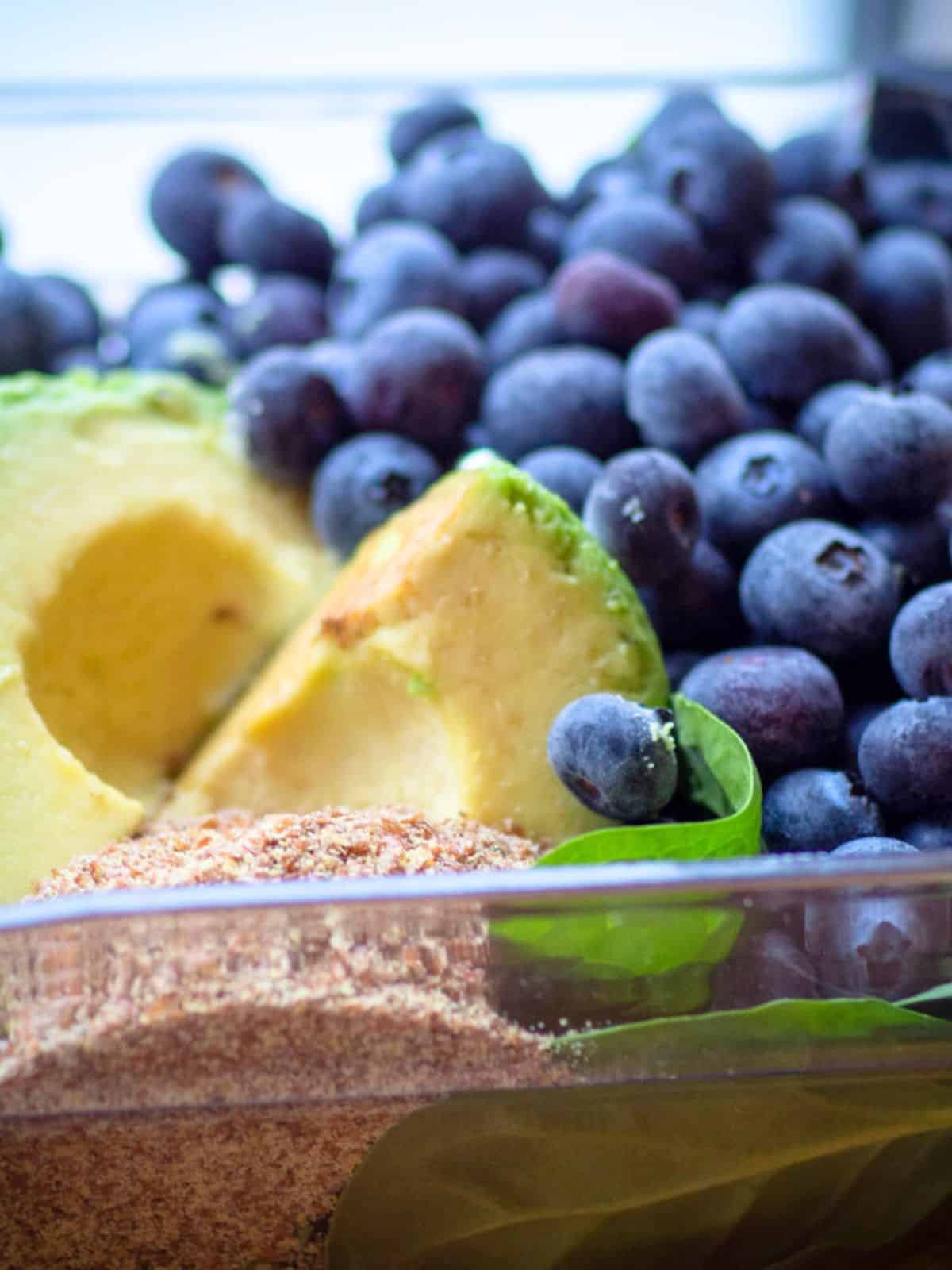
- Keep frozen berries on hand for quick use in smoothies, warm oats or thawed as a side.
Breakfast Ideas with Vegetables
- Scrambled Eggs with Frozen Veggies: Toss in a handful of frozen spinach, peppers, or broccoli while scrambling eggs for a fast, veggie-packed breakfast.
- Leftover Veggie & Egg Breakfast Quesadilla: Use last night’s roasted veggies with scrambled eggs and a little cheese in a folded tortilla.
- Savory Yogurt Bowl: Use plain Greek yogurt as a base mixed with a spoonful of pesto and then top with diced cucumber, cherry tomatoes and a sprinkle of fresh herbs alongside a slice of sourdough.
- Hidden Veggie Smoothie: Add a handful of spinach, kale or frozen cauliflower to your fruit smoothie (like I do in this matcha protein smoothie).
- Savory Oats with Spinach and Egg: Stir chopped spinach into cooked oats and top with fried or poached eggs plus a pinch of salt and garlic powder or chili flakes
There you have it- my sneaky ways to get a head start on my vegetable (and fruit) intake for the day! What are your favorite "hacks" for eating more vegetables?
And if you struggle with ideas to get enough protein at breakfast, I have tips for that too!


Comments
No Comments